
Travel information
Your power bank belongs in the cabin: six rules that matter when you fly
2026-10-28
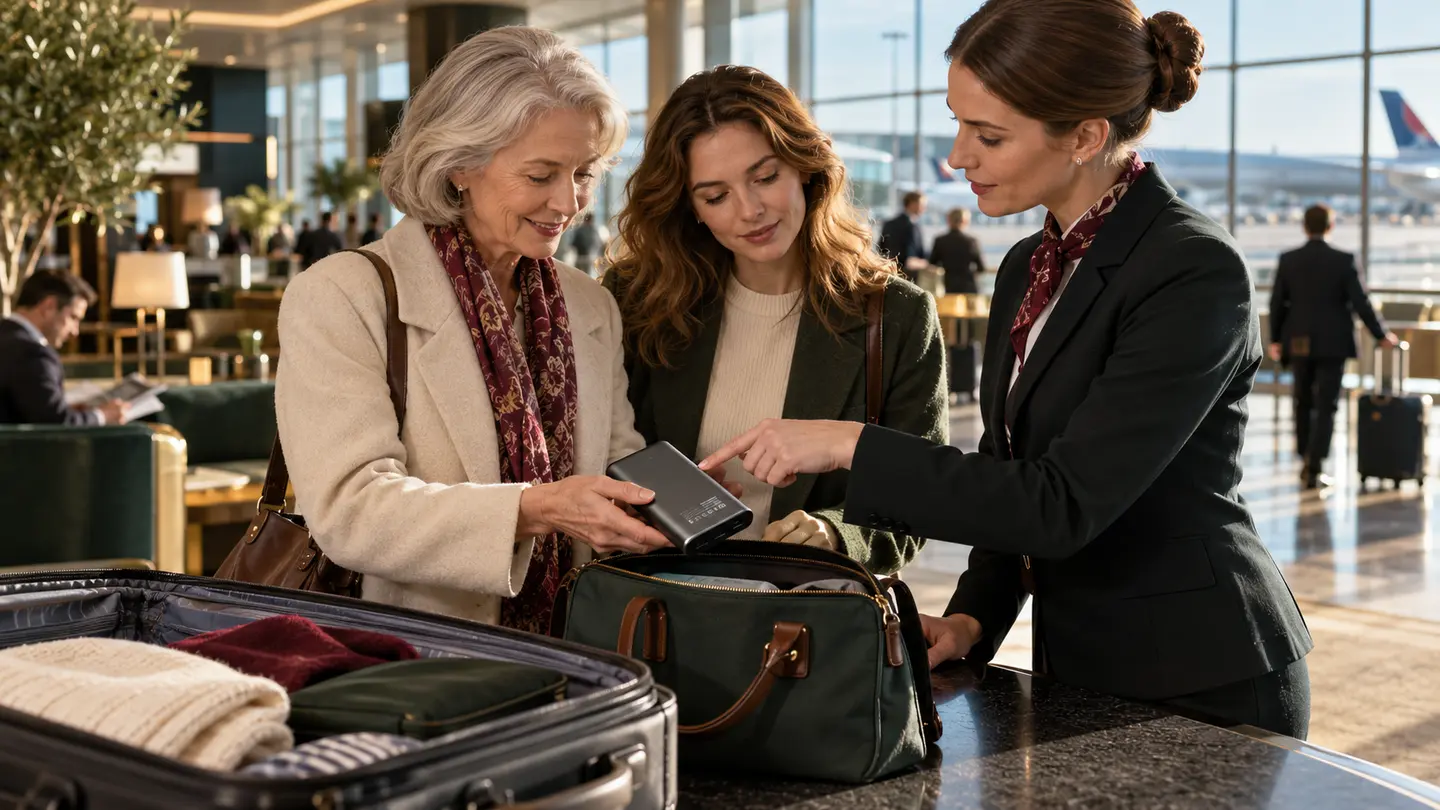
A power bank can look harmless until it becomes hot, swells or starts to smoke. On 22 October 2026, the UK Civil Aviation Authority (CAA) issued a new six-point checklist because passengers are carrying more battery-powered devices—and too many still put them in the wrong bag.
Why the new warning matters
CAA research found that 86% of recent flyers were aware of lithium-battery rules, yet 31% still incorrectly believed these items should go in checked luggage. More than half of passengers now fly with a power bank. The gap is therefore not simply awareness; it is knowing what to do at packing, at the gate and onboard.
The six rules in plain English
- 1. Keep power banks in your cabin bag—never in checked luggage.
- 2. Check your airline’s size and quantity limits before travel.
- 3. Do not recharge a power bank during the flight.
- 4. If the airline permits its use, keep it visible and easy to reach rather than buried overhead.
- 5. If a phone, tablet, vape or power bank becomes hot, stop using or charging it, switch it off and alert cabin crew immediately.
- 6. If it starts to smoke, do not improvise: alert trained cabin crew at once.
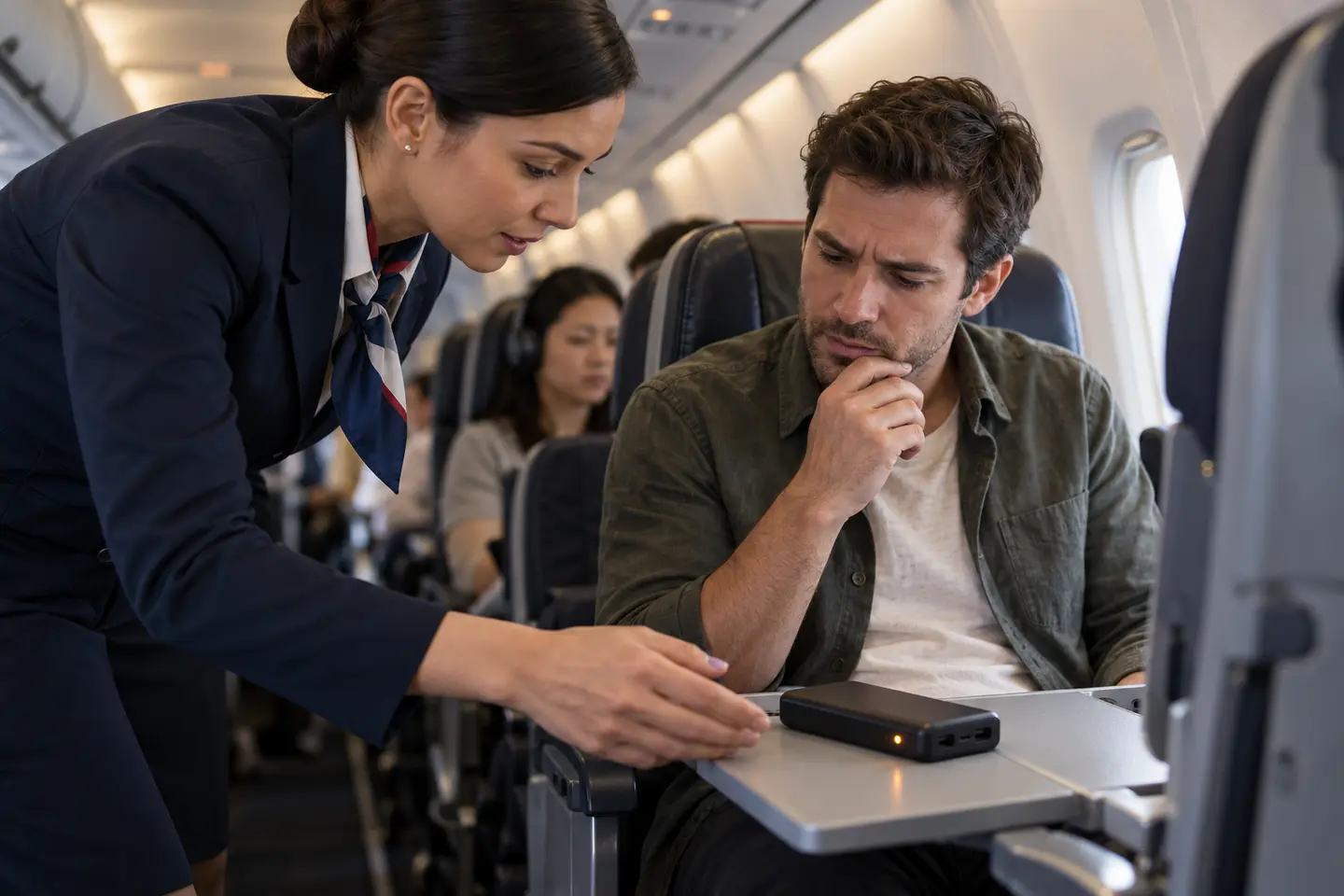
Three moments when families often get caught out
- • At home: check for swelling, damage or unusual heat; damaged batteries should not travel.
- • At the gate: if a cabin bag is taken for the hold, remove power banks, spare batteries and vapes first.
- • During the flight: keep permitted devices accessible. Do not wait for smoke before telling the crew that something is getting hot.
Not every battery follows the same rule
CAA guidance distinguishes by watt-hour rating: common devices are usually under 100Wh; batteries from 100Wh to 160Wh require airline approval; batteries over 160Wh are prohibited in passenger baggage and need separate dangerous-goods arrangements. Battery-powered mobility aids have their own procedures, so the airline should be contacted well before travel.
Where personalised support adds value
PRESENT & ABLE can help a family turn airline rules into a usable packing and handover plan: checking the route and airline requirements, separating cabin and hold items, recording mobility-aid battery details, and making sure an older or less confident traveller knows who to alert. We do not replace airline safety decisions or cabin crew instructions.
If a journey involves several travellers, medical equipment or a last-minute bag handover, PRESENT & ABLE can help organise the practical details within an agreed scope.